
Nature-inspired science for a cleaner planet
ProperDoe is committed to finding ways to rid the planet of its major pollutants, including plastics, forever chemicals, and toxic organic compounds. Melding modern scientific techniques with biomimicry and natural processes, ProperDoe seeks to remediate pollutants into helpful, nontoxic materials, creating closed-loop solutions to some of the worst pollution events.
Environmental Impact
Plastic pollution is one of the main issues we are facing as a global society. Since 1950, over 8.3 billion metric tons of plastic waste has been generated, and an estimated 20 million tons of plastic waste ends up in the environment each year.
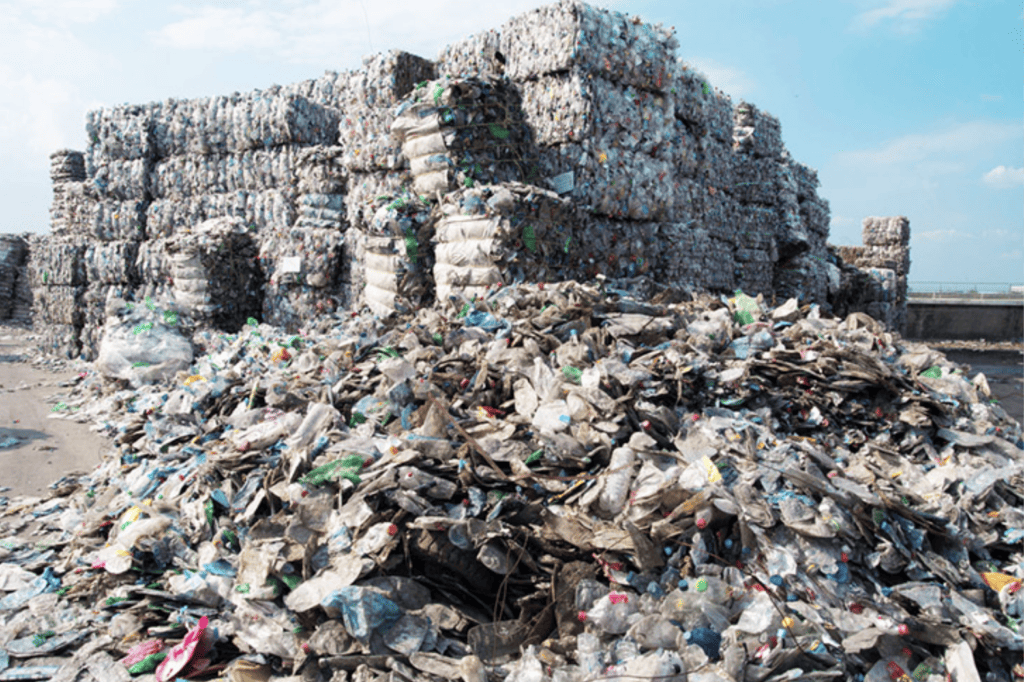
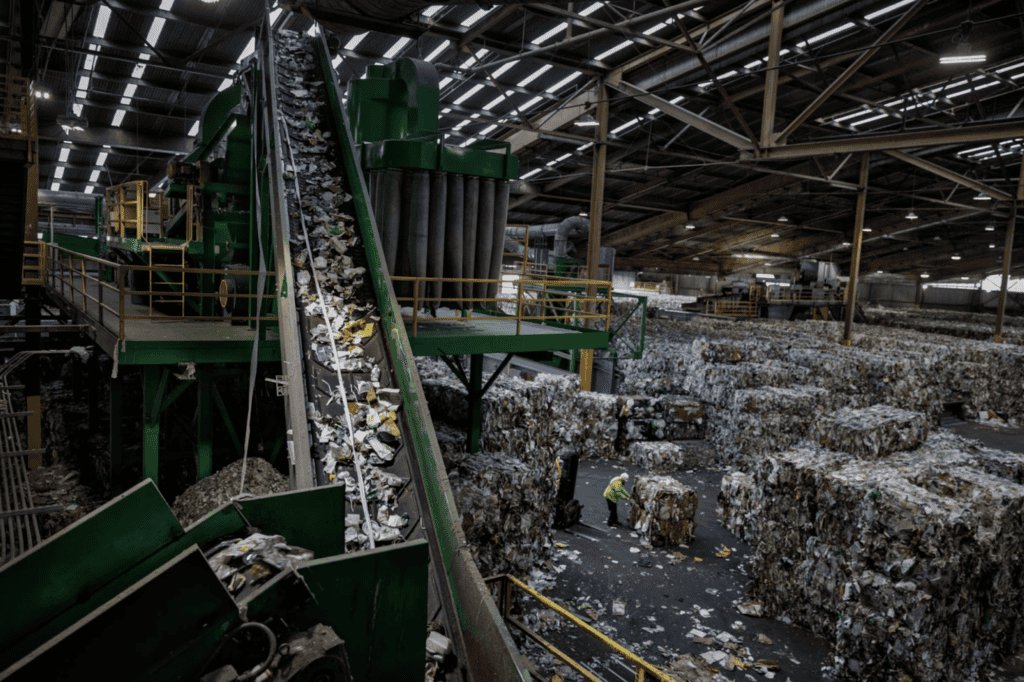
Plastic pollution also has severe economic effects. In 2019, the United States spent over $32 billion on collecting, sorting, and recycling plastic waste. There are multiple proposed solutions to the plastic problem, including recycling and incineration, but both are inviable. The costs of the cleaning and sorting processes used in recycling are generally higher than the cost associated with generating new plastics, and incineration of plastic releases toxic chemicals like heavy metals and carcinogens into the atmosphere.
Most common plastic products cannot be recycled in the first place, though they may be marketed as recyclable. These products are typically incinerated in landfills or are sold to developing countries who cannot afford fresh materials for the manufacturing processes.
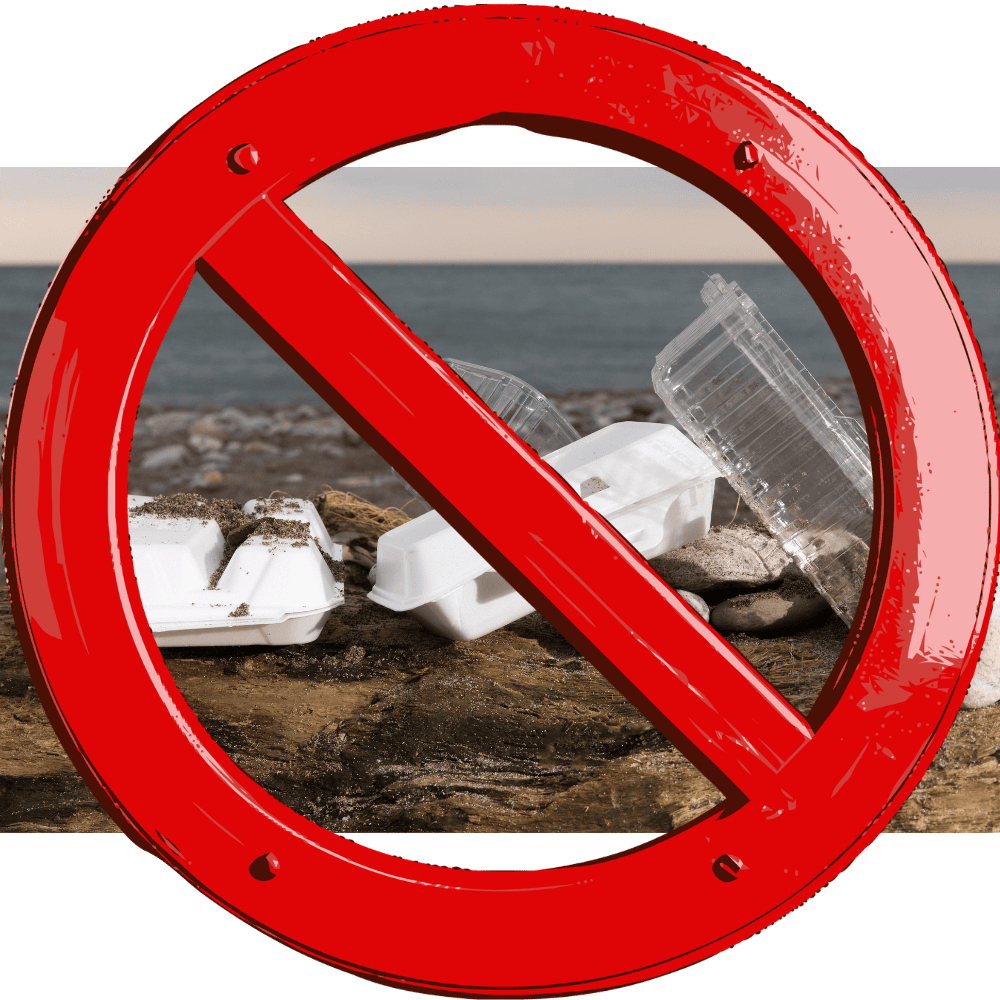
Styrofoam
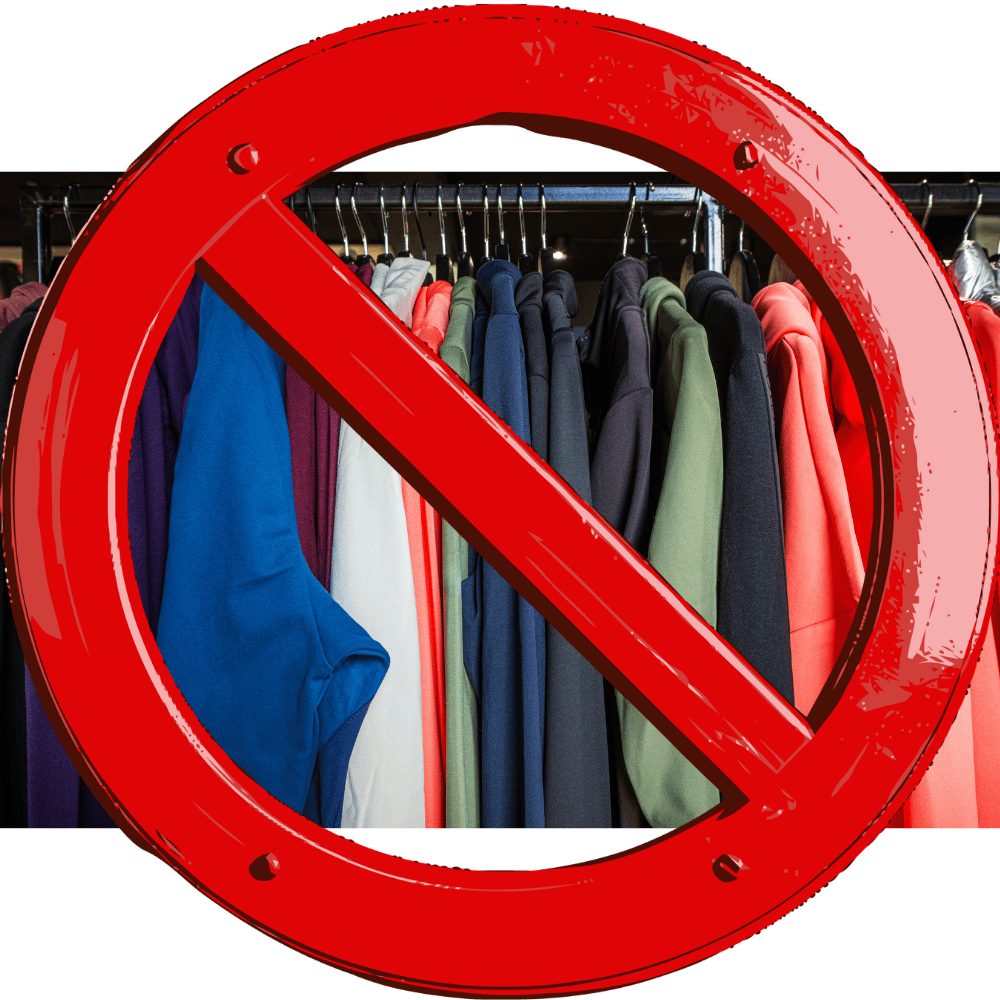
Polyester clothing
Single-use utensils
plastic packaging
Process
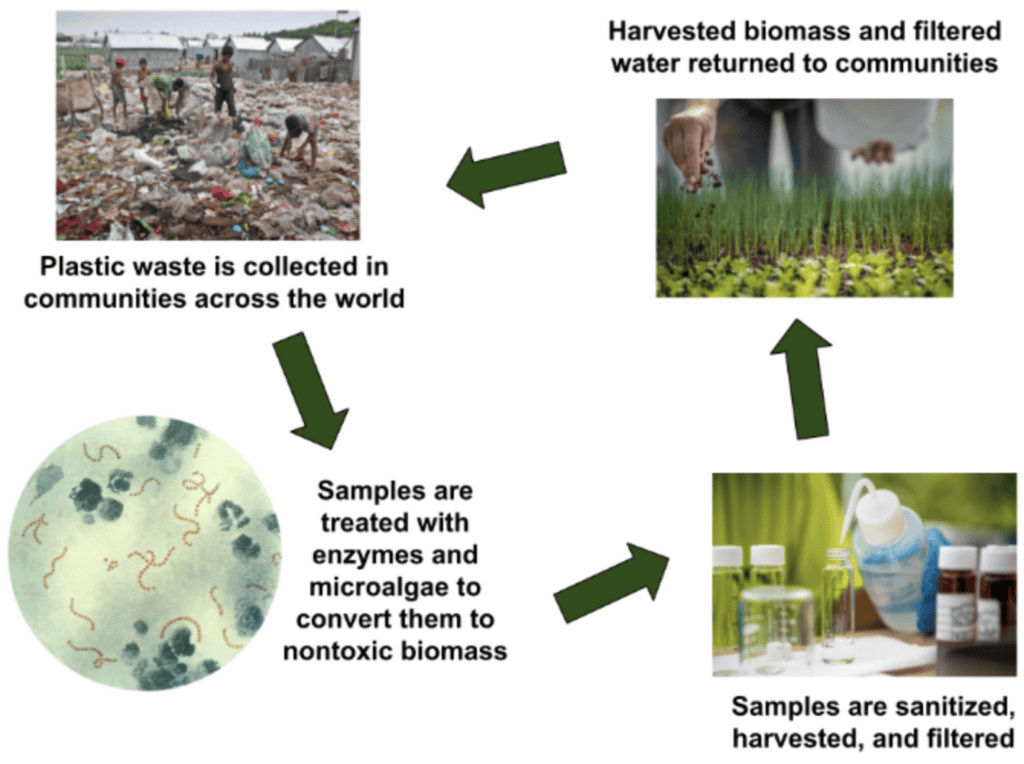
Proper Doe seeks to use naturally occurring processes to address plastic pollution, eliminating the high costs associated with recycling and ensuring that no toxic pollutants are released into the environment.
Fast and efficient process, completing full remediation in approximately 72 hours
Our Vision
ProperDoe acknowledges that pollution has impacted communities across the world in different ways.
There is no way to protect our planet from future struggles if we do not first clean up the plastic that chokes waterways and the forever chemicals that pollute our food sources. Proper Doe understandss that pollution has mostly impacted many developing nations and island states, nations which may lack the infrastructure needed to effectively manage waste. Proper Doe aims to use its generated revenue to fund remediation plants and cleanups in these nations, stimulating local economies by offering new opportunities while also remobilizing these communities by providing them helpful materials through the waste remediation processes.

About Elizabeth
Elizabeth (Eli) Hanechak is a research scientist focused on combining naturally occurring microorganisms with modern molecular biology techniques to develop methods for remediating various pollutants.
Her research on enzymatic degradation of polyethylene terephthalate, a common type of single-use plastic, is patent-pending and has been recognized by National Geographic, the National Oceanic and Atmospheric Administration, and the American Society for Microbiology. Before serving as the Director of Research and Development with ProperDoe, she worked in the Stratton Lab at the University of Massachusetts, Amherst, the Nedivi Lab at the Massachusetts Institute of Technology, and the Microbiology Lab at Westfield State University. She holds lifetime fellowships to the American Junior Academy of Science and the Davidson Institute and is currently attending Brandeis University studying biochemistry.
Says Eli, “ ProperDoe is my commitment to helping the world. My research started purely out of interest, but the progress I have made and the atrocities of pollution that I have witnessed has caused me to redouble my research efforts with the goal of implementing my technology in as many places as possible.”